20 2026-10
Aluminum Foil and Food Packaging: A Practical Guide to Safe Use and Recycling
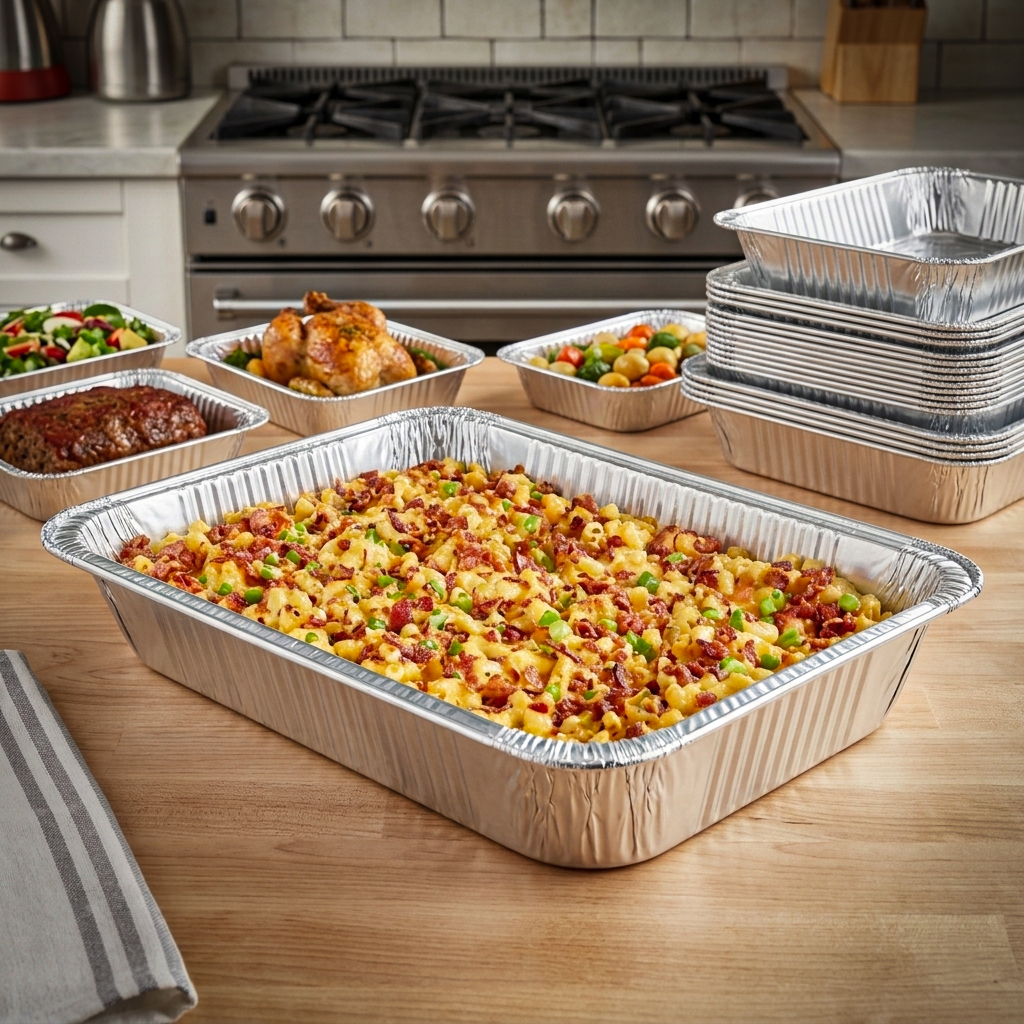
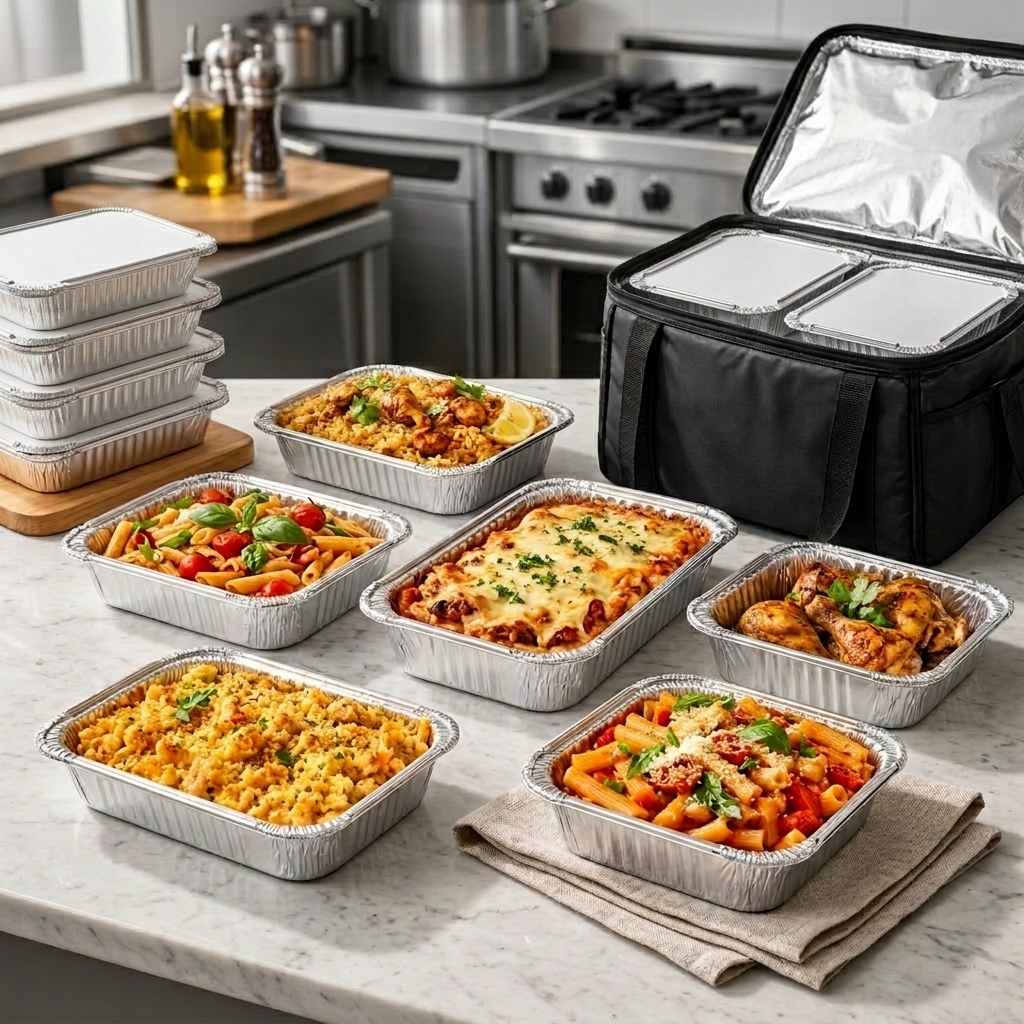
Aluminum foil is one of the most familiar materials in the kitchen. It wraps leftovers, lines baking sheets, covers casseroles, and protects food on the grill. Aluminum foil containers and trays are equally common in foodservice, takeaway, and meal preparation. Yet convenience can sometimes lead to improper use. Understanding a few practical guidelines helps consumers preserve food quality, protect cookware, and recycle aluminum more effectively. Use Care with Acidic and Salty Foods Acidic ingredients such as tomatoes, citrus juices, vinegar, and wine-based sauces can react with aluminum, particularly when moisture and salt are present. This reaction may cause discoloration, pitting, or a metallic taste in food. For marinating, storing, or slow-cooking highly acidic dishes, glass or ceramic containers are a better choice. When acidic food must be cooked on an aluminum pan or tray, a parchment paper or silicone liner can provide a protective barrier. Avoid Prolonged Extreme Heat Aluminum conducts heat efficiently, which is why it performs well in ovens and on grills. However, prolonged cooking at very high temperatures—especially above 400°F (about 204°C)—can cause thin foil to degrade, particularly when it is in direct contact with food or exposed to an open flame. Heavy-duty foil is designed for...
View More>