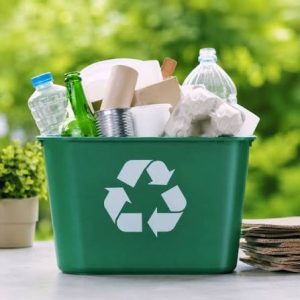
Many everyday kitchen items seem recyclable but are not accepted in curbside programs. Some can even damage sorting equipment, especially in single‑stream systems where paper, cardboard, plastic, glass, and metal are collected together. One universal rule applies: all items should be scraped clean and, ideally, rinsed. Leftover food contaminates the recycling stream and reduces the value of recovered materials. Clean aluminum and steel, for example, can be melted down and remade into new products—but only if they are free from residue.
1.Berry containers and clamshells
These lightweight plastic containers look similar to recyclable bottles and jugs, but many programs do not accept them. The thermoform plastic can flatten during sorting and contaminate other materials.
2.Pizza boxes
Cardboard is recyclable, but grease and cheese residue make pizza boxes unsuitable for recycling. If the box is clean, it can be recycled. If it is stained with grease, it should go in the trash.
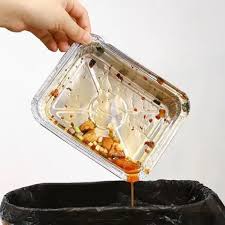
3.Aluminum foil and takeaway containers
Aluminum is highly recyclable, but many curbside programs do not accept foil or aluminum takeaway containers because they are often covered in food residue. Even one dirty item can contaminate an entire load. If your local facility does accept aluminum foil, rinse it thoroughly, remove any residue, and ball it up—loose pieces can jam recycling equipment. Scrap metal facilities will often accept aluminum in other forms, such as cans and sheets, and may even offer payment for them.
4.Plastic wrap and bags
Most plastic wrap and single‑use bags are not accepted in curbside recycling because they tangle sorting equipment. Instead, look for a local retailer or grocery store that collects these items. For resealable sandwich and freezer bags, cut off the zipper before recycling.
5.Coffee cans
Many coffee cans combine materials—a metal can, plastic lid, and paper label. These can be recycled, but the parts usually need to be separated first. Remove the paper label and recycle the metal can with tin or steel.
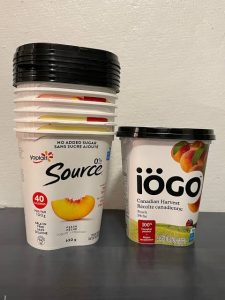
6.Yogurt containers
These often carry a recycling triangle, but that does not guarantee curbside acceptance. Plastic labels or wrappings must be removed, and dirty peel‑back lids usually need rinsing before recycling.
Contamination is one of the biggest challenges in recycling. A single dirty container can spoil a whole batch of otherwise valuable materials. Rinsing and separating items before disposal helps ensure that aluminum, steel, and other materials can be truly recycled and given a second life.
At First Aluminum Technology (Luoyang) Co., Ltd. , we manufacture high‑quality aluminum foil containers, trays, and rolls. We encourage our customers to use our products responsibly and to recycle them properly whenever possible. For questions about our products or recycling guidance, please feel free to contact us.