It is a common kitchen practice to cover a stainless steel baking dish tightly with aluminum foil before placing it in the oven. While this seems harmless, it can sometimes lead to unexpected and unappetising results – including discoloured food and surface damage to the foil.

When aluminum foil comes into contact with other metals such as steel, iron, or copper in the presence of moist, salty, or acidic food, an electrochemical reaction known as galvanic corrosion can occur. This is the same principle that powers batteries. In the kitchen, this reaction can create tiny holes, black spots, or a chalky residue on the foil surface. When you remove the cover, you may find that the top layer of your dish has turned silver, grey, or even black, sometimes with a bluish liquid on top.
In most cases, the amount of aluminum transferred to food through this reaction is very small – typically in the microgram to low milligram range – which is well below levels considered harmful for healthy adults. Food safety authorities generally regard aluminum foil as safe for normal culinary use.
However, certain individuals are more vulnerable, including infants and patients undergoing dialysis. For these groups, even small increases in aluminum intake may pose health concerns. Additionally, several factors can significantly increase the amount of aluminum leached into food:
High acidity – tomatoes, citrus fruits, pineapple, vinegar, and wine‑based sauces
High salt content – salty marinades or seasoned dishes
Long contact times – slow‑cooking or prolonged oven baking
Lasagna, for example, typically contains tomatoes and salt, and cooks for an extended period. This makes it particularly prone to picking up extra aluminum if covered with foil while in a stainless steel pan.
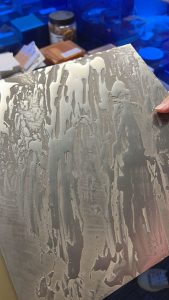
For galvanic corrosion to occur, three conditions must be met:
Two different metals with different electrochemical potentials (e.g., stainless steel and aluminum)
Electrical contact between them
An electrolyte – which is provided by the moisture, dissolved salts, and organic acids naturally present in most foods
If any of these elements is missing, the reaction will not take place. That is why you may have covered a stainless steel dish with foil many times without noticing any issues.
To avoid any risk of galvanic corrosion, it is best to prevent direct contact between aluminum foil and metallic cookware. Instead, use a barrier such as parchment paper or food‑grade plastic liners when cooking with stainless steel, iron, or copper pans.
Aluminum foil can be used safely with non‑metallic materials, including tempered glass and ceramic bakeware. These materials do not trigger the electrochemical reaction, so you can cover or line them with foil without concern.
Understanding the chemistry behind your cookware helps you make smarter choices in the kitchen. While the occasional reaction is unlikely to harm healthy adults, it can ruin the appearance and taste of your meal – and for vulnerable individuals, it is wise to take extra precautions.
At First Aluminum Technology (Luoyang) Co., Ltd. , we produce high‑quality aluminum foil containers, trays, and rolls designed for a wide range of applications. We encourage our customers to use our products knowledgeably and safely. For any questions about product use or material compatibility, please do not hesitate to contact us.