Aluminum foil is one of the most versatile tools in any kitchen – used for wrapping meats, covering casseroles, lining baking sheets, and grilling vegetables. Yet many users wonder whether the shiny side or the dull side should face the food. The short answer is: for standard aluminum foil, it does not matter which side you use.
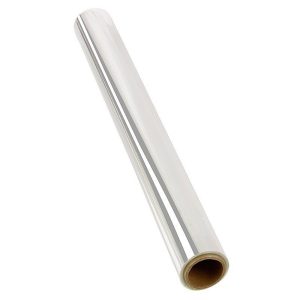
The shiny and dull appearance is simply a result of the manufacturing process. During production, two layers of foil are rolled together under high pressure. The side that contacts the polished steel rollers becomes shiny, while the side that touches the other layer remains dull. This is purely a mechanical effect and has no impact on performance.
Aluminum foil works primarily through conduction – the transfer of heat through direct contact. Both the shiny and dull sides conduct heat equally well because thermal conductivity is a property of the aluminum material itself, not its surface finish. While the shiny side does reflect a tiny amount of radiant heat, the effect is so minimal that it does not change how your food cooks. In practical terms, you will achieve identical results regardless of which side faces up.
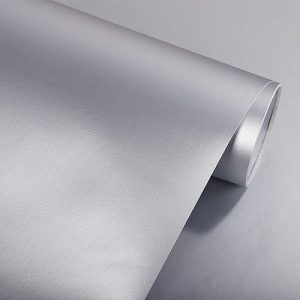
The only exception is non-stick aluminum foil, which has a coated surface designed to prevent food from sticking. With this product, the non-stick coating is applied to one specific side – typically the dull side. If the foil has printed markings, these usually indicate the coated side. For non-stick foil, always follow the manufacturer’s guidance on which side to use.
Foil serves many purposes in everyday cooking:
Making pouches – wrap vegetables, potatoes, or fish with seasonings and grill for a simple side dish.
Lining baking sheets – this simplifies cleanup, prevents sticking, and provides a slight barrier against direct heat.
Covering dishes – when baking casseroles or lasagna, foil traps steam to retain moisture, prevents splatters, and shields food from over-browning (such as protecting pie crust edges or turkey breast meat).
Grilling – use foil to protect delicate items like fish, wrap meats that benefit from extra moisture (such as ribs or pork shoulder), or guard against flare-ups.
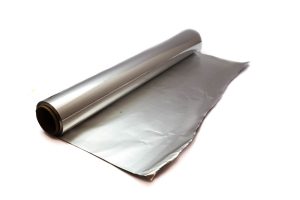
For standard aluminum foil, you can confidently use either side – shiny or dull – without affecting cooking quality or food safety. The choice is purely a matter of personal preference. For non-stick varieties, always use the designated coated side for best results.
At First Aluminum Technology (Luoyang) Co., Ltd. , we manufacture premium aluminum foil containers, trays, and rolls designed for reliable performance across a wide range of kitchen applications. We encourage our customers to understand their products fully and use them with confidence.