Plastic wrap has been a kitchen staple since the 1940s, valued for its flexibility and convenience. However, it has limitations that many home cooks overlook. Understanding these can help you avoid messy accidents, uneven cooking, and potential health risks. Below are four common mistakes and safer alternatives—including aluminum foil—for different cooking and storage needs.

Plastic wrap is made from a thin, flexible material called polyethylene, which melts at high temperatures. It is not suitable for conventional ovens, toaster ovens, air fryers, grills, slow cookers, pressure cookers, or stovetops. In fact, it should not be used above 212°F (100°C). For high-heat cooking, choose aluminum foil or parchment paper instead, as both withstand much higher temperatures.
Foods rich in fat—especially vegetable oils—and sugary foods heat up quickly and can reach temperatures that melt or even explode plastic wrap. This can cause splattering, uneven cooking, and leaching of plastic into the food. When reheating these items, use a microwave-safe cover or a sheet of aluminum foil (if the container is non-metallic) rather than plastic wrap.
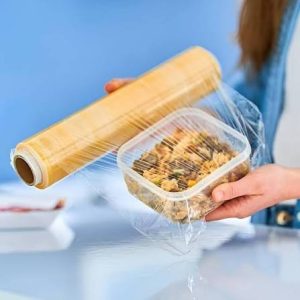
When using plastic wrap in the microwave, always leave about an inch of space between the wrap and the food. This buffer zone reduces the risk of the wrap melting onto your meal. Additionally, you must vent the wrap by turning back one corner or cutting a 1-inch slit. Without venting, steam builds up pressure that can cause the wrap to burst, leading to burns and messy spills. Heat food in short intervals—about 3 minutes at a time—to maintain quality and safety.
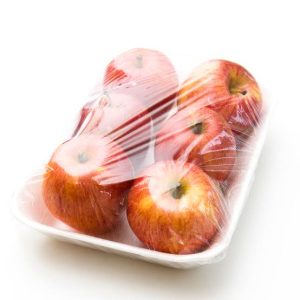
For food storage, plastic wrap works best when it creates a tight seal. Press it directly onto the surface of foods to block air and moisture, which prevents drying, wilting, and oxidation. This also helps keep odors from mixing. For freezer storage, double-wrap items with an extra layer of plastic wrap, freezer paper, or aluminum foil to prevent freezer burn. A useful tip: press a piece of plastic wrap directly over ice cream before putting the lid on to keep ice crystals from forming.
When plastic wrap is not suitable, consider these options:
Oven, toaster oven, or air fryer: Aluminum foil and parchment paper can withstand higher temperatures and are excellent alternatives. Air fryer liners also simplify cleanup.
Slow cooker or pressure cooker: Specially designed slow cooker liners withstand high heat and help separate multiple dishes. Ensure each liner is securely sealed.
Grill or broiler: Use heavy-duty aluminum foil, which offers greater durability and heat resistance for intense cooking.
Aluminum foil is particularly versatile for high-heat applications, and it can be recycled when clean. Choosing the right material for each task helps ensure better cooking results and safer food handling.
At First Aluminum Technology (Luoyang) Co., Ltd. , we manufacture high-quality aluminum foil containers, trays, and rolls designed for a wide range of kitchen uses. We encourage our customers to select the right product for their needs and to use all food wraps responsibly. For more information, please feel free to contact us.