Aluminum foil is one of the most versatile items in the kitchen. It is used for wrapping leftovers, protecting vegetables on the grill, lining baking sheets, and simplifying cleanup. However, foil is not suitable for every situation. Improper use—especially with acidic foods, high heat, or microwave cooking—can affect food quality and, in some cases, create safety risks. Below are seven situations where extra care is recommended.

Acidic ingredients such as tomatoes, vinegar, and citrus fruits can react with aluminum foil, causing corrosion, discoloration, and a metallic taste. This reaction can also release small amounts of aluminum into food. When marinating chicken with lemon juice or storing acidic dishes, use glass or ceramic containers instead of foil. For healthy individuals, occasional exposure is generally not a concern, but people with reduced kidney function should be more cautious.
Wrapping cooled leftovers in foil for short periods is generally fine, but foil is not airtight. Air and bacteria can enter, increasing the risk of spoilage and foodborne illness. If the food is acidic, aluminum may also migrate into it over time. For longer storage, use airtight glass or ceramic containers.
Aluminum conducts heat efficiently. When foil is used to line a baking sheet, the bottoms of cookies or pastries may brown too quickly or burn. Thin foil can also tear and cause sticking. If the baked goods contain acidic ingredients, they may develop a metallic taste. Parchment paper or reusable silicone baking mats provide more even heat distribution.
Aluminum foil is metal and should never be used in a microwave. It can cause sparks, damage the appliance, or start a fire. When reheating food, use microwave-safe covers, parchment paper, or damp paper towels instead of foil.

Aluminum foil can withstand high heat, but prolonged cooking at very high temperatures—especially above 400°F (about 204°C)—can cause the foil to degrade, particularly when it touches food directly or is exposed to an open flame. This may allow small amounts of aluminum to migrate into food. Heavy-duty grill foil is designed for a wider temperature range, but repeated exposure to extreme heat should still be avoided. People with reduced kidney function should take particular care.
Lining the bottom of an oven or grill with foil may seem convenient, but it can block airflow, cause uneven heating, scratch the oven surface, damage heating elements, or interfere with gas flames. Grease that collects on the foil can also ignite. For safe operation, keep the oven and grill free of foil linings.
Aluminum foil is recyclable, and some pieces can be reused. However, do not reuse foil that has contacted raw meat or seafood, as it may carry foodborne pathogens. Before recycling, clean the foil, ball it up, and check whether your local recycling program accepts it. Loose foil can jam sorting equipment, so compacting it is important.
Aluminum foil remains a convenient and reliable kitchen tool when used correctly. Understanding its limitations helps preserve food quality, protect cookware, and reduce unnecessary safety concerns.
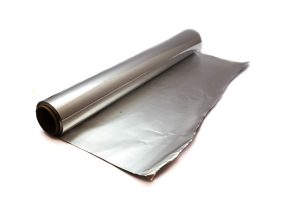
At First Aluminum Technology (Luoyang) Co., Ltd. , we manufacture high-quality aluminum foil containers, trays, and rolls for a wide range of foodservice and household applications. We encourage customers to use aluminum products responsibly and according to their intended purpose. For product information or usage guidance, please feel free to contact us.