Aluminum foil is one of the most familiar materials in the kitchen. It wraps leftovers, lines baking sheets, covers casseroles, and protects food on the grill. Aluminum foil containers and trays are equally common in foodservice, takeaway, and meal preparation. Yet convenience can sometimes lead to improper use. Understanding a few practical guidelines helps consumers preserve food quality, protect cookware, and recycle aluminum more effectively.
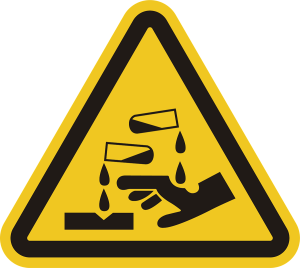
Acidic ingredients such as tomatoes, citrus juices, vinegar, and wine-based sauces can react with aluminum, particularly when moisture and salt are present. This reaction may cause discoloration, pitting, or a metallic taste in food. For marinating, storing, or slow-cooking highly acidic dishes, glass or ceramic containers are a better choice. When acidic food must be cooked on an aluminum pan or tray, a parchment paper or silicone liner can provide a protective barrier.
Aluminum conducts heat efficiently, which is why it performs well in ovens and on grills. However, prolonged cooking at very high temperatures—especially above 400°F (about 204°C)—can cause thin foil to degrade, particularly when it is in direct contact with food or exposed to an open flame. Heavy-duty foil is designed for higher heat, but even then, extended cooking with salty or acidic foods should be monitored. For vulnerable groups, such as people with reduced kidney function, limiting repeated high-heat contact is a sensible precaution.
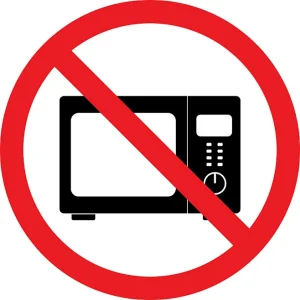
Aluminum foil is metal and must never be placed in a microwave. It can cause sparks, damage the appliance, or start a fire. For microwave reheating, use microwave-safe covers, parchment paper, or damp paper towels. This simple rule prevents most foil-related kitchen accidents.
When aluminum foil touches stainless steel, iron, or copper in the presence of moist, salty food, a mild electrochemical reaction can occur. In practical terms, this may leave dark spots or a chalky residue on the foil and an unpleasant appearance on the food surface. The amount of aluminum transferred is usually very small and not a concern for healthy adults, but the reaction can ruin a dish. To avoid it, use parchment paper as a barrier, or choose glass and ceramic bakeware when covering food tightly.
Plastic wrap has its own limitations. It should not be used in conventional ovens, toaster ovens, air fryers, grills, or pressure cookers, and it should not be heated above 212°F (100°C). Foods high in fat or sugar can heat rapidly and cause the wrap to melt or burst. When a recipe calls for covering food in the oven, aluminum foil or parchment paper is a more suitable choice. In the microwave, plastic wrap must be vented and kept about one inch away from the food.
Aluminum is highly recyclable, but curbside programs vary. Foil and aluminum trays are often excluded because food residue contaminates recycling streams. If your local program accepts aluminum foil, rinse it thoroughly, remove food particles, and ball it up so it does not jam sorting equipment. Clean aluminum cans, trays, and foil can be melted down and remade into new products. When recycling is not available, proper disposal is preferable to contaminating a whole batch of recyclables.

Aluminum foil and aluminum containers are reliable, versatile products when used appropriately. Matching the material to the cooking task—and keeping food contact surfaces clean and compatible—helps consumers get the best results. Responsible recycling also extends the environmental benefits of aluminum.
At First Aluminum Technology (Luoyang) Co., Ltd. , we manufacture high-quality aluminum foil containers, trays, and rolls for household, foodservice, and industrial applications. We are committed to product quality and to helping customers use aluminum products safely and sustainably. For further information or usage guidance, please contact us.