Aluminum foil is one of the most versatile helpers in modern kitchens. From wrapping leftover meals to grilling vegetables and baking pastries, it offers convenience and efficiency. However, like any tool, foil has its limitations. Improper use—especially when high heat, acidity, or prolonged contact is involved—can affect food quality and, in some cases, raise food safety concerns. As a professional manufacturer of aluminum foil containers, trays, and rolls, First Aluminum Technology (Luoyang) Co., Ltd. is committed to promoting correct and safe usage. Below, we outline seven common situations where extra attention is recommended, so you can enjoy the benefits of foil while minimizing potential risks.
Foods with high acidity—such as tomatoes, vinegar, citrus fruits, and their juices—can react chemically with aluminum foil. This reaction may cause discoloration or corrosion on the foil surface and, more importantly, can impart a metallic taste to the food. According to food safety expert Dr. Darin Detwiler of Northeastern University, acidic ingredients can cause aluminum to migrate into the food, which not only affects flavor but may also pose health concerns over time. For marinating or storing acidic dishes, it is safer to use glass or ceramic containers instead of aluminum foil.

Wrapping cooled leftovers (such as boiled corn or roasted meats) in foil for short periods is generally fine. However, foil is not completely airtight. Over time, air and bacteria can penetrate the wrap, increasing the risk of spoilage and foodborne illness. If the leftovers are acidic, the risk of aluminum leaching also rises. For extended storage, we recommend transferring food to airtight glass or ceramic containers to maintain freshness and safety.
Aluminum conducts heat efficiently. When you line a baking sheet with foil, the bottoms of cookies or pastries may brown or burn more quickly than desired. Thin-gauge foil can also tear easily, causing sticking and making cleanup harder. If your recipe includes acidic ingredients (like lemon zest or juice), you might notice a slight metallic aftertaste. For more even heat distribution and better results, consider using parchment paper or reusable silicone baking mats.
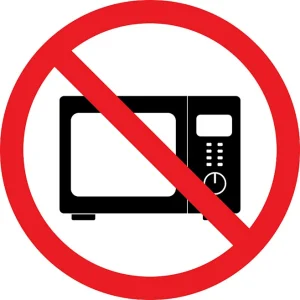
Because foil is metal, it should never be used in a microwave oven. Doing so can produce sparks, damage the appliance, or even start a fire. When reheating food in the microwave, cover dishes with microwave‑safe lids, paper towels, or parchment paper to prevent splatters—never use aluminum foil.
Aluminum foil is designed to withstand high heat, but extended cooking at temperatures above 400°F (about 204°C)—especially when exposed to open flames or in direct contact with salty or acidic foods—can cause the foil to degrade. This degradation may lead to microscopic particles breaking off and migrating into your meal. While occasional use at high heat is unlikely to cause problems for healthy individuals, repeated exposure might contribute to gradual aluminum buildup, particularly for those with reduced kidney function. As a general rule, if you are grilling or roasting at very high temperatures for a long time, it is wise to check the foil’s condition and consider using alternative cookware for certain dishes.

Some people use foil to catch drips and simplify cleaning, but lining the oven floor or grill grate with foil can be counterproductive. It may block proper airflow, leading to uneven cooking. It can also scratch oven surfaces, damage heating elements, or interfere with gas flames. Moreover, grease that accumulates on the foil can ignite and cause a fire. For safe and efficient operation, it is best to keep your oven and grill free of foil linings and rely on drip pans or regular cleaning.
Aluminum foil is recyclable and can sometimes be reused for non‑food purposes. However, never reuse foil that has come into contact with raw meat, poultry, or seafood, as it may harbor harmful bacteria. After use, clean the foil (if appropriate), ball it up, and dispose of it through a local recycling program that accepts aluminum. This helps reduce waste and supports sustainable practices.

Aluminum foil remains a kitchen staple that offers remarkable convenience.Understanding where and how to avoid potential pitfalls allows home cooks and professional chefs alike to protect both food quality and health without giving up the practical benefits of foil. For most healthy people, the small amounts of aluminum that might transfer during cooking are efficiently processed by the body; nonetheless, those with kidney conditions should be more cautious.
At First Aluminum Technology (Luoyang) Co., Ltd. , we are dedicated to manufacturing high‑quality aluminum foil containers, trays, and rolls. We encourage our customers to use our products wisely and according to their specific needs. For further information or technical advice, please do not hesitate to contact us.